Editors’ note: This story is drawn from the public record — the Metropolitan Nashville Police Department’s cold case summary, Leif Brittain’s obituary, and contemporary accounts. Where a detail could not be verified in that record, this story says so. That distinction is the point.
An Ordinary Place
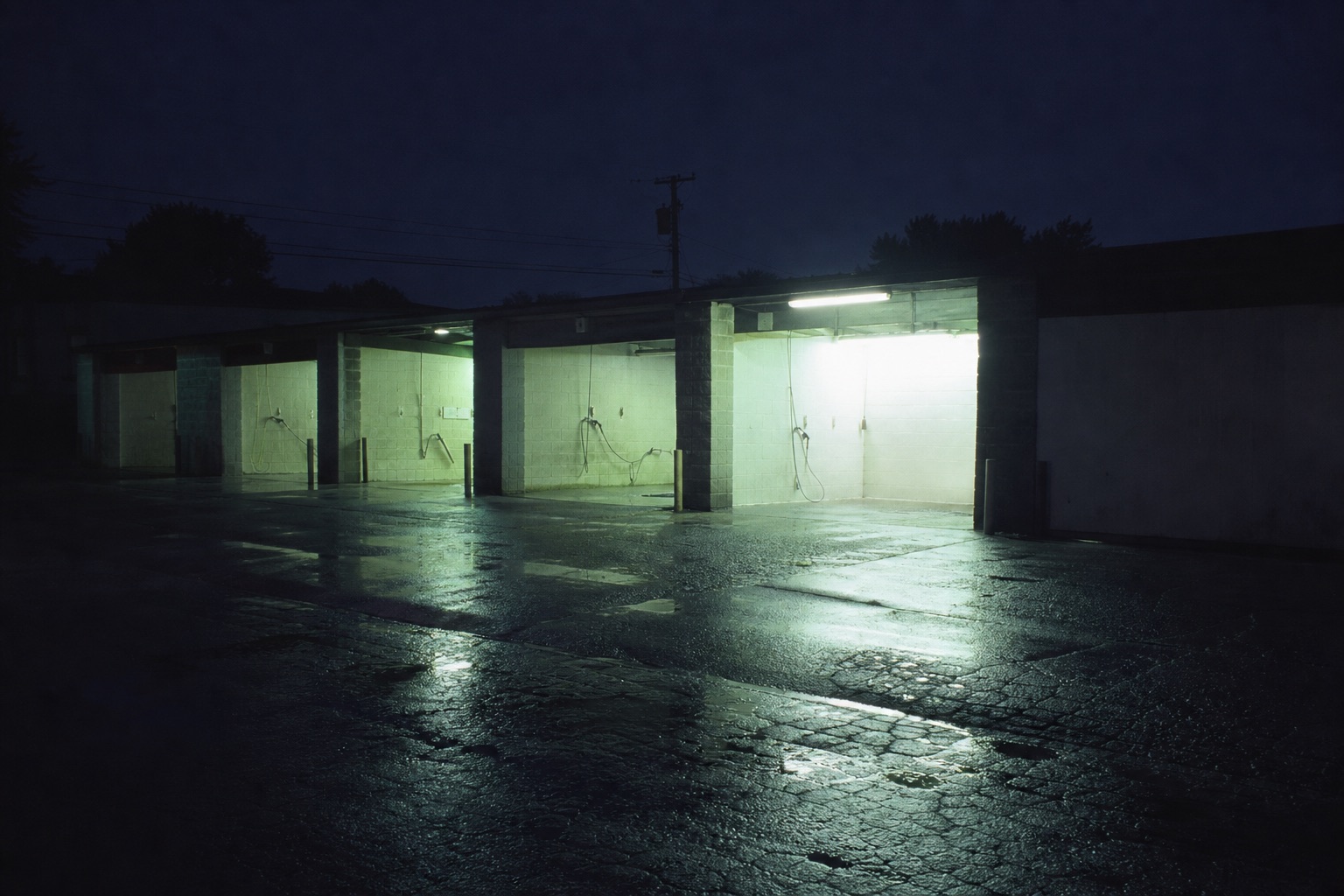
There are crimes that happen in places people instinctively fear. Dark alleys. Abandoned buildings. Remote roads where no one would hear you. This wasn’t one of them. Leif Brittain died beneath the fluorescent lights of a self-service car wash — the kind of place hundreds of people visit every week without giving it a second thought. Pull in. Feed the machine. Wash the mud off the truck. Head home.
Investigators believe that’s exactly what Leif intended to do. He had parked inside a wash bay at 400 Swiss Avenue shortly before 11:30 on a Saturday night, June 21, 2008. Swiss Avenue is not an isolated country road or a forgotten industrial district; the car wash sat in a part of Nashville people passed every day.
Something happened in that bay. Within minutes, an eighteen-year-old was dying, and a city was left with a question it still has not answered.
Leif
Cold cases often begin with the crime. This one should begin with the victim. Leif Alexander Brittain was eighteen years old. He lived in Nolensville, south of the city, with his family, and was a student at Ravenwood High School, where he was expected to graduate the following year.
His obituary describes a teenager woven into the life of his town: JROTC at school, Nolensville First United Methodist Church on Sundays, as much time outdoors as he could manage. It also notes, in a phrase that recurs in nearly every recollection from the people who knew him, that he was “very well known in the Nolensville community.”
Very well known in the Nolensville community.
Years later, Ravenwood High School established the Leif Brittain Memorial Scholarship — a reminder, renewed with every graduating class, that his absence continued to be felt long after the headlines faded.
Eleven Thirty
Publicly available records reveal remarkably little about Leif’s final evening. Investigators have never released a detailed timeline of where he spent the night, who he was with, or why he stopped at the Swiss Avenue car wash. Some retellings describe him cleaning mud from his truck before heading home; others suggest he had been out with friends. Those accounts are woven deep into community memory, but they do not appear in the official summary released by Metro Nashville Police.
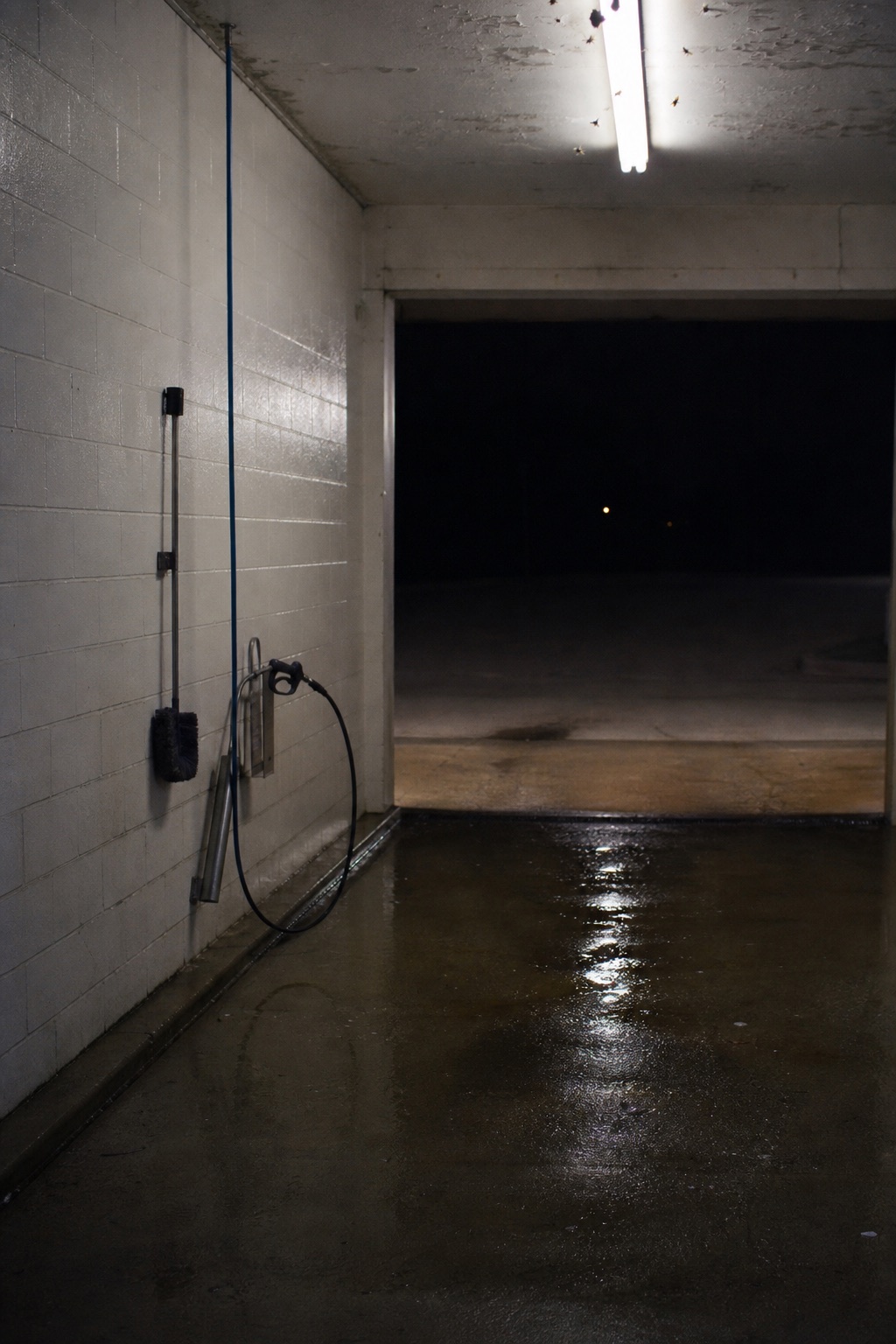
What investigators have confirmed is far simpler. At approximately 11:30 p.m., Leif Brittain was washing his pickup truck. At some point in those next moments, he was shot.
Everything after that unfolded quickly.
He dialed 911.
The call connected.
No words came.
Whatever injuries he had suffered prevented him from speaking to the dispatcher. Minutes later, a passing motorist noticed him lying inside one of the wash bays and placed a second emergency call. By the time help arrived, it was too late.
Those few sentences, published years later by the Metropolitan Nashville Police Department, remain the clearest official description of what occurred that night. Almost everything else exists in the space between evidence, memory, and speculation.
The Official Record
One of the biggest surprises in researching this case wasn’t discovering new information. It was discovering how little information has ever been released. Many unsolved homicides eventually accumulate hundreds of publicly available pages — court filings, search warrants, media requests, appeals. Leif Brittain’s case has not. The official public record is essentially a brief police summary, his obituary, later memorial references, and scattered news coverage.
Strip away everything that cannot be traced to a primary source, and this is what remains:
- 01Leif Brittain was shot while washing his truck at 400 Swiss Avenue, at approximately 11:30 p.m.
- 02He attempted to call 911 but was unable to speak.
- 03A passing motorist discovered him inside a wash bay and called police.
- 04The case remains open. No suspect has ever been publicly identified.
Four facts. That is the entire load-bearing structure of the public record — and the story that has grown around it over eighteen years is considerably longer.
Fact or Folklore
Every unsolved case develops its own folklore. People remember conversations from funerals. Someone recalls hearing something from a cousin. A friend of a friend claims to know what really happened. Eventually those stories become so familiar that few people remember where they originated.
Spend enough time in the message boards, archived news discussions, Reddit threads, and Facebook memorial posts, and a consistent narrative emerges: Leif had been cleaning mud from his truck. He was shot during a robbery. His wallet was taken. The wound was to his neck. The problem is not that those claims are impossible — it’s that none of them appear in the official summary available to the public. Each one below can be opened and examined on its own.
Unverified He was shot in the neck
- Appears in
- Secondary write-ups and community retellings; repeated widely enough to read as established fact.
- Official status
- No wound location appears in any publicly available MNPD record reviewed for this story.
- Why it matters
- The injury detail is often used to explain the silent 911 call — a tidy inference, but an inference all the same.
Unverified His wallet was missing
- Appears in
- Forum discussion and memorial threads, usually alongside the robbery claim.
- Official status
- Police have never publicly stated that any property was taken from the scene.
- Why it matters
- A missing wallet is the single detail doing the most work in the popular version of the story — it supplies the motive.
Unverified Robbery was the motive
- Appears in
- Nearly every community retelling of the case.
- Official status
- MNPD has never publicly named a motive of any kind.
- Why it matters
- If robbery is assumed, the case reads as random. Remove the assumption and every question reopens: targeted, chance encounter, or something else entirely.
Unverified He was washing mud off after a night out with friends
- Appears in
- Recollections from people who knew him, repeated in later coverage.
- Official status
- Police have never released a timeline of his evening — where he was, or who he was with.
- Why it matters
- It is the most human detail in the folklore, and it may well be true. But it has never been officially placed on the record.
In the age of internet true crime, repeated information becomes accepted information. Once an unverified detail has been retold enough times, it becomes nearly impossible to separate collective memory from documented evidence. For anyone trying to understand what happened that night, skepticism isn’t cynicism. It’s discipline.
Repetition is not the same thing as verification.
The Thin File
For investigators, the first hours after a homicide are the most valuable. Witnesses remember more. Physical evidence is fresh. Surveillance footage, if it exists, has not yet been erased. Nearly all of it, in Leif Brittain’s case, remains outside the public record. Metro Nashville Police have never released the incident report, crime scene photographs, witness interviews, dispatch logs, or detective supplements that usually become the backbone of public understanding in older homicides. Whether those records remain sealed as investigative strategy or were simply never meant for release is unknown.
Sometimes what investigators don’t release can be just as revealing as what they do. There is no publicly identified suspect. No composite sketch. No surveillance image. No vehicle of interest. No firearm description. No named eyewitness beyond the unnamed motorist who found him. Even the basic forensic questions remain open in public:
- How many shots were fired?No public answer
- What caliber weapon was used?No public answer
- Were shell casings recovered?No public answer
- Did investigators recover DNA or fingerprints?No public answer
- Were nearby businesses canvassed for cameras?No public answer
- Did anyone else call 911 that night?No public answer
The answers may exist inside the investigative file. They simply are not part of the public one. That silence has created a vacuum — and vacuums rarely stay empty. Ironically, the internet has made the case feel richer than it actually is: dozens of websites repeat nearly identical descriptions, many tracing back to one another, few tracing back to primary evidence.
Where did this information originally come from?
In many instances, no one can answer.
Community Memory
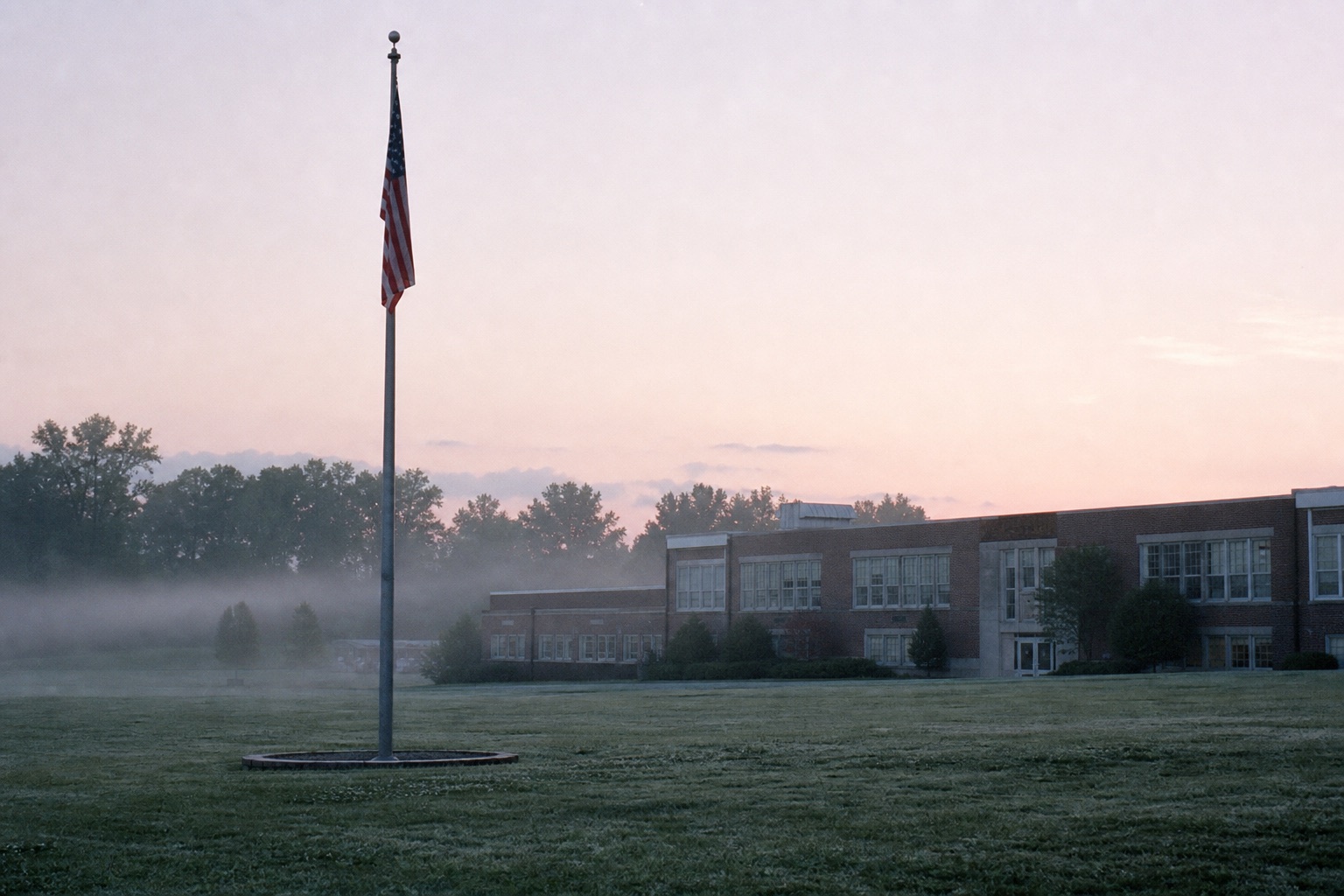
If the investigative record is sparse, the community record is not. Nearly two decades later, Leif’s name still surfaces in anniversary posts, memorial messages, and conversations among former classmates. His obituary paints the picture of a teenager surrounded by family, friends, church, and school — and the scholarship that bears his name means graduating seniors in Nolensville keep encountering it, year after year.
That kind of remembrance says something investigators cannot measure.
People did not forget Leif. They simply ran out of answers.
Still Open
Every cold case has an obstacle. Sometimes it’s a missing witness. Sometimes it’s degraded DNA. The obstacle in Leif Brittain’s case appears to be something much simpler: information. Investigators almost certainly know more than the public. But from the outside looking in, there simply isn’t much to analyze — and that lack of detail has allowed speculation to fill the silence while making meaningful public scrutiny nearly impossible.
The case, though, never truly went dormant. In October 2024, the Metropolitan Nashville Police Department launched a dedicated Cold Case website highlighting dozens of unsolved homicides stretching back decades. Leif Brittain’s case was among them. It was more than a historical archive; it was an acknowledgment that investigators still believed someone might know something worth sharing.
Cold case investigators know that time changes people. Relationships end. Loyalties fade. Consciences grow heavier. A detail that felt insignificant in 2008 may suddenly become important. A witness who once stayed silent may decide they no longer have a reason to. That possibility is why Leif’s photograph still appears on the department’s cold case site — not as a memorial, but as an active investigation.
2008 – Present
- Jun 21, 2008 · ~11:30 p.m.Leif Brittain, 18, is washing his pickup truck at a self-service car wash at 400 Swiss Avenue when he is fatally shot.
- Jun 21, 2008 · minutes laterHe attempts to call 911 but cannot speak. A passing motorist sees him inside a wash bay and places a second emergency call.
- Summer 2008Leif is laid to rest. His obituary recalls JROTC, Nolensville First United Methodist Church, and a teenager “very well known in the Nolensville community.”
- 2009The school year Leif was expected to graduate from Ravenwood High School passes without him.
- The years afterRavenwood establishes the Leif Brittain Memorial Scholarship. Online, an unofficial narrative of the crime — robbery, a missing wallet, a neck wound — hardens into accepted fact without official confirmation.
- Oct 2024MNPD launches a dedicated Cold Case website. Leif’s case is among the unsolved homicides featured — an open appeal for information, not an archive entry.
- TodayNo suspect has ever been publicly identified. The case remains open with the MNPD Cold Case Homicide Unit.
Leif Brittain was eighteen years old. Someone still knows what happened inside that wash bay.
If you have information about this case
615·742·7463Nashville Crime Stoppers · MNPD Cold Case Homicide Unit