Editors’ note: This story concerns violence against a child. It is drawn from the reporting and discussion presented by hosts Nic and the Captain of True Crime Garage, and from the contemporary press accounts they cite. It is told here in the hope that someone, somewhere, still remembers something.
The Pattern
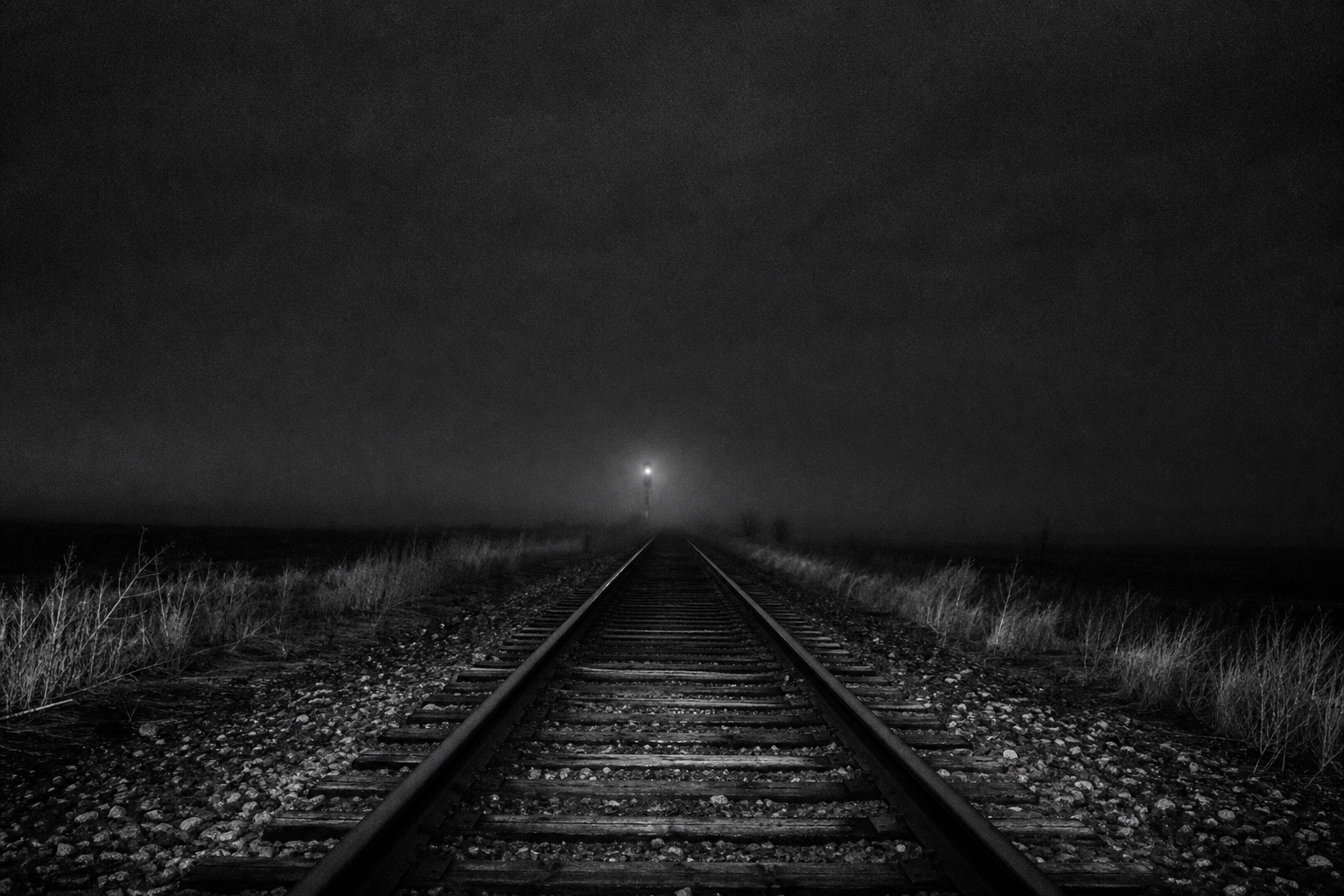
Before Oklahoma, there was Arizona. In 1976, near Phoenix, three boys from the Gila River Indian Community — ten and eleven years old — were found murdered on railroad tracks. They had not been struck by a train and left. The sequence was deliberate, and it was worse: as one newspaper account read, “they were stabbed to death before their bodies were laid on railroad tracks to be run over by a freight train.”
No one was ever charged. The community was left to absorb a crime that had no precedent in its memory and no logic anyone could name. Betsy Green, the tribal secretary, could offer the papers only disbelief — the idea that a member of the community could have done such a thing seemed impossible to her.
It’s part of the madness that seems to be occurring all over the world. We have no feeling of hatred. The boys are just gone.
A year later and nine hundred miles east, in a small railroad town in northeastern Oklahoma, the pattern would repeat itself — younger victim, same method, same silence after.
Michael
Michael James Martinez was a first-grader in Vinita, Oklahoma — a bright, shy boy, Native American, living with his mother in modest circumstances. In November 1977 two good things had just happened to him, the kind of things a seven-year-old counts as wealth: his estranged father had given him a dollar, and he had a new bicycle.
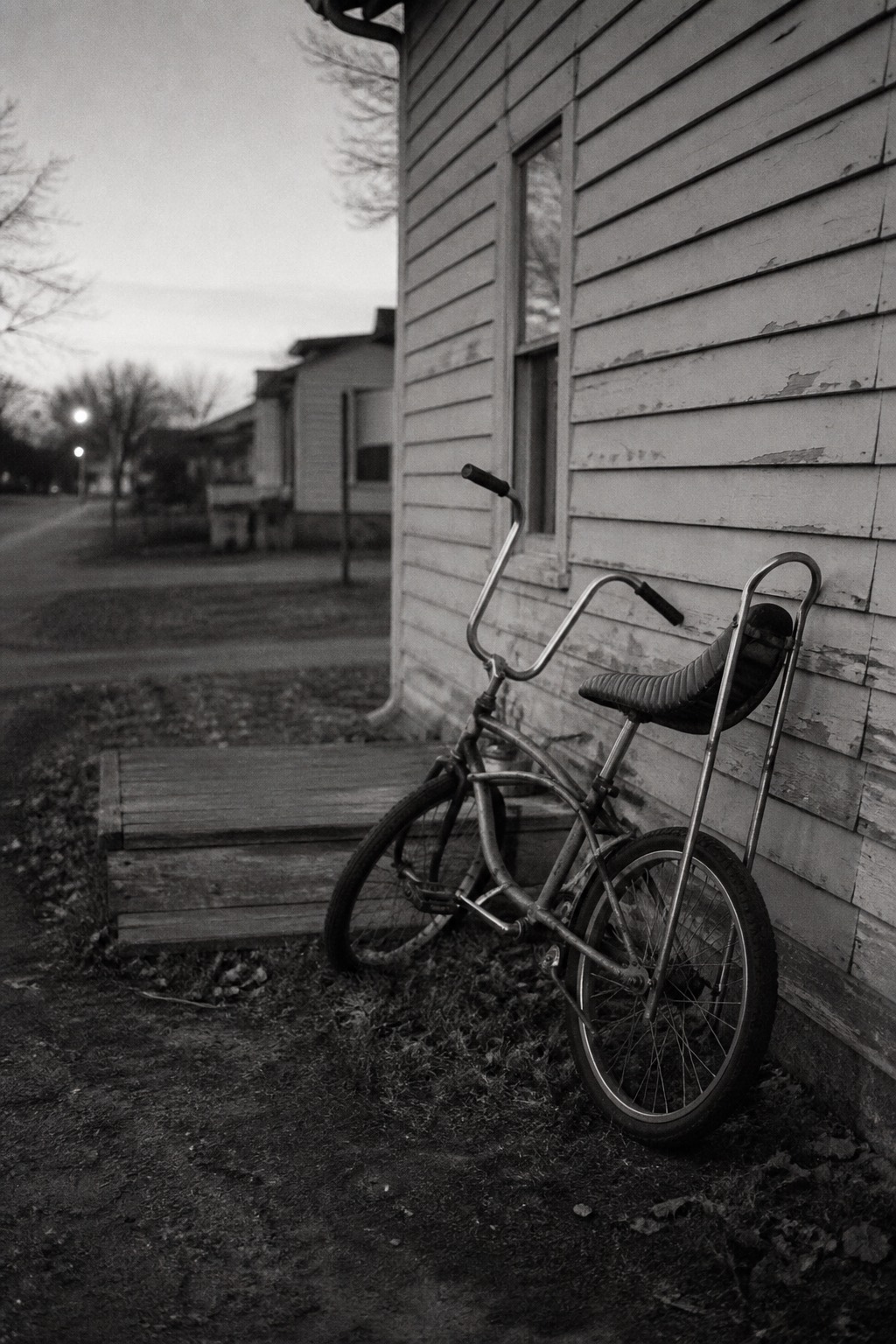
The hosts of True Crime Garage paused on that detail, because anyone who was once a child understands it. “One of the best gifts you can get as a child,” the Captain said. “A new bicycle.” Nic put it more simply: a bicycle represents freedom. A few hundred yards of it — the distance from his sister’s house to the convenience store and back.
On the evening of November 21, 1977, Michael’s mother left him and his brother at the home of his sister, Brenda. At some point that evening, Michael got on the new bike, the dollar in his pocket, and rode toward the store alone.
He was last seen between nine and nine-thirty.
November 21, 1977
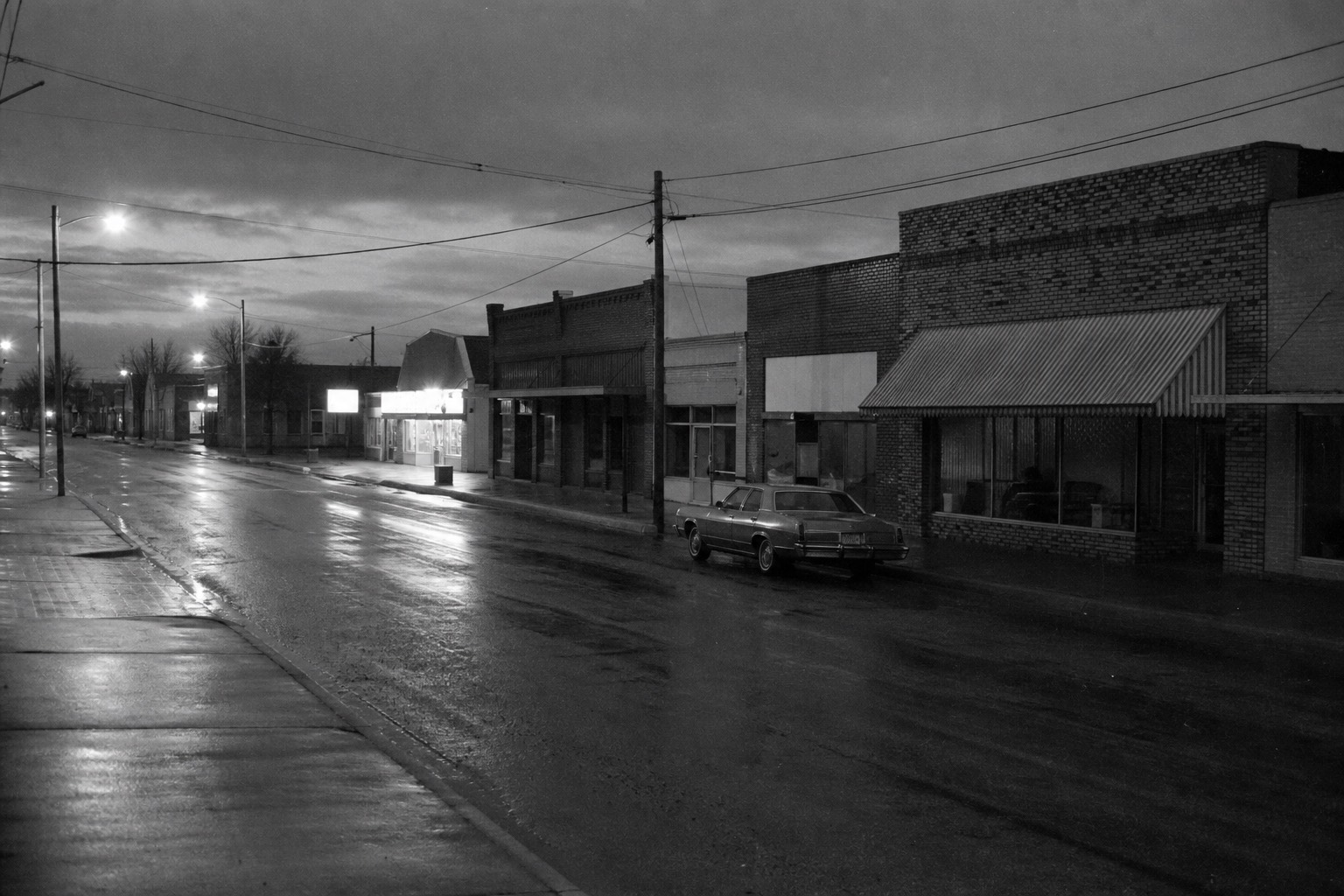
That same afternoon, in a shed near the train tracks, two young men had been drinking and huffing spray paint. Gary Leroy Whistler was an unstable, unemployed teenager who, as Nic described it, “had drifted in and out of institutions since he was about nine years old,” with a long history of substance abuse. With him was Roy Robinson — a neighbor of Michael’s sister, Brenda. They had spent the day there together, a few hundred feet from where Michael would ride past.
Between nine and nine-thirty, Michael was last seen heading toward the store. Around ten o’clock, Whistler collapsed in Robinson’s shed, asking for help.
What happened in the minutes between has never been established by any court.
12:58 A.M.
In the first hour of the next morning, the crew of a passing train discovered the body of a small child on the tracks. Michael had been stabbed repeatedly before he was placed there; the train had done the rest. What investigators found at the scene read like the inventory of an ordinary, terrible evening:
- Item 01Paper bags, soaked in paint
- Item 02A can of spray paint
- Item 03A soda bottle, stained with blood
- Item 04Coins, scattered across the ballast — what remained of a dollar
- AbsentMichael’s new bicycle
The bicycle — the gift, the freedom — was gone. It would not be found for months.
The Investigation
The response was immediate and large. Local police, county deputies, and agents of the Oklahoma State Bureau of Investigation converged on Vinita. The first questions were the broadest ones: Was this an accident? A hate crime? A sexual assault? Random violence? Vinita sits beside Mayes County, where the Girl Scout murders had occurred that same summer, and suspicion briefly ran toward the fugitive Gene Leroy Hart before being ruled out. Detectives also flagged the resemblance to Arizona — young Native American boys, stabbed, placed on train tracks — but no connection was ever proven.
The first man arrested was a transient named Gerald Ray White, picked up near the tracks. What followed became its own cautionary tale about the era’s investigative tools: White failed more than twenty polygraph examinations. Twenty failures looked, for a time, like guilt. Examiners eventually concluded he was what the field calls a “guilt complex reactor” — a person whose anxiety fails the machine no matter what the truth is. As Nic put it: “When he continues to fail test after test after test — well, then, for this guy, we can’t take these tests serious.” White was cleared.
The town still has a dead child and no answers to what happened in this horrific case.
The Confession
Four months after the murder, Gary Whistler was arrested during a domestic dispute — and while in custody, he signed a confession. It was hazy and disjointed. He said he had been high and hallucinating that night. He believed something was after him, so he grabbed a knife and started stabbing — in his telling, to defend himself. He remembered, perhaps, throwing a body. Perhaps a bike.
The toxicology report deepened the horror rather than resolving it: Michael had spray-paint chemicals and alcohol in his system. Had a seven-year-old been coaxed into huffing paint by the older boys he met that night — or forced? The Captain laid out the unbearable possibilities plainly: a kid with his new dollar and his new bike runs across one teenager, maybe two. They ask him if he wants to try it, or he does it out of fear, or they make him.
There has never been an answer.
Extremely susceptible to suggestion and coercion… easy to get a confession out of this guy, especially one that’s kind of vague.
Two Trials
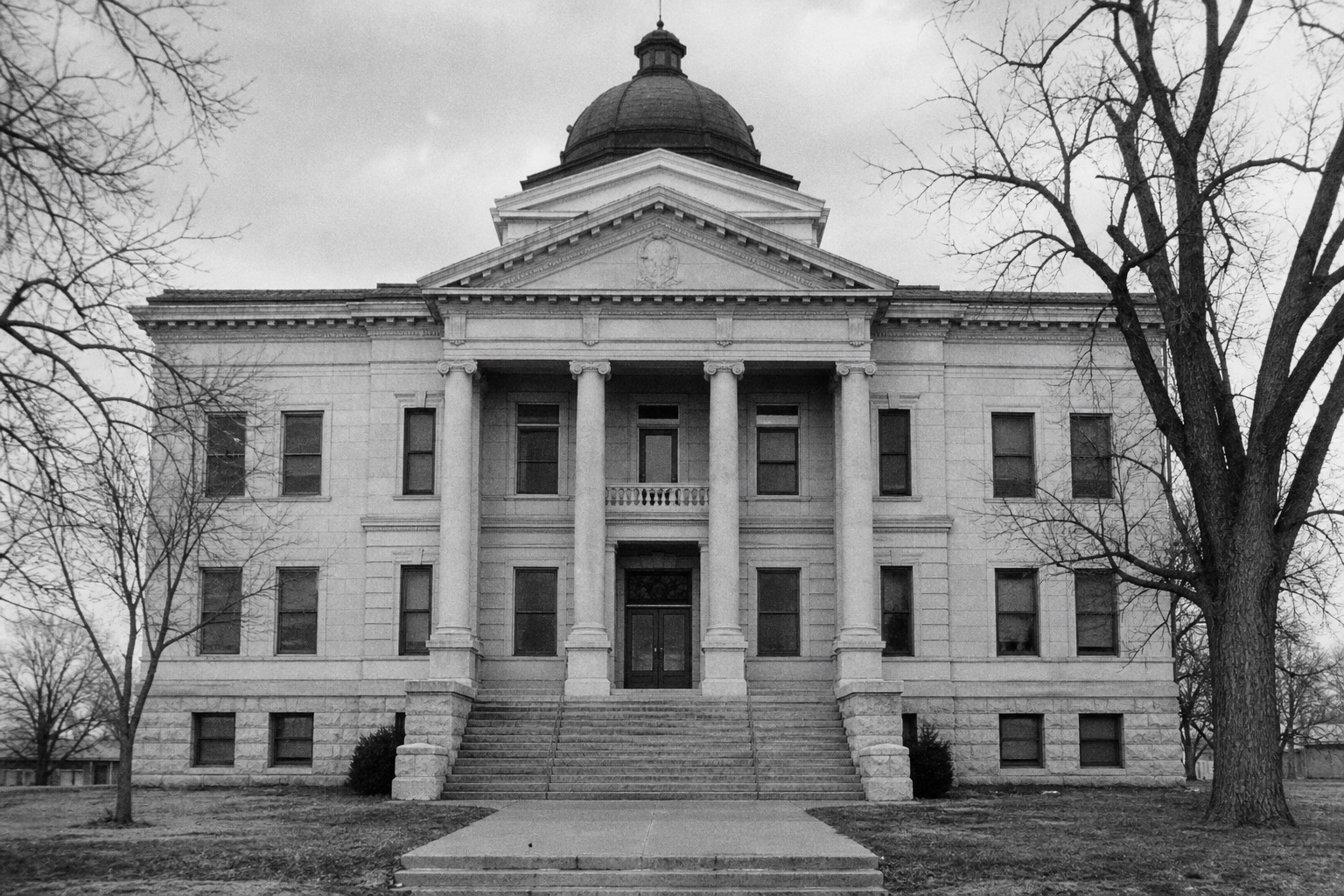
The case against Whistler was, in the end, a confession in search of corroboration. The knife and the bicycle were not recovered until months after the murder. The forensic science of 1977 could wring little from what remained. The time of death was contested. Psychiatrists for each side contradicted one another about whether Whistler’s statement — the vague, hallucinatory account of a man “extremely susceptible to suggestion” — could be trusted at all. The defense was, as Nic observed, set up to argue two doors at once: either he’s innocent, or he’s innocent by reason of insanity.
The first trial, in October 1978, ended with a hung jury. At the second, in March 1979, the defense leaned on the timeline: Roy Robinson and his mother placed Whistler where the killer could not have been — testimony recalled months after the fact, with all the unreliability that distance implies, but enough. Whistler was acquitted.
I think a lot of the problems in this case is simply the time period.
If it happened today, the Captain argued, it would probably be solved quickly — there would be a mountain of evidence. In 1977, there was a hung jury, an acquittal, and a file that no one has been able to close.
What Remains
Michael’s funeral drew the neighborhood together. But the grief did not stay clean; it curdled into rumor, and some of it was aimed at his mother, as if shaming her could explain what had happened. “This was a community that pulled together and had no clue what the hell had happened,” Nic said. “They didn’t know how to deal with this.”
Four months after the acquittal, a friend of the Martinez family attacked Whistler with a knife — the verdict of a town that the courts had left without one. It settled nothing. Whistler was never retried. No one else has ever been charged.
Nic’s final accounting refuses the easy version: “Can you say one hundred percent that it was just Gary Leroy Whistler that did this? I don’t think you can — because I think his buddy Roy looks to be just as guilty.” Two men in a shed, a child on a bicycle, and forty-nine years of silence between them.
1976 – Present
- 1976 · Near Phoenix, ArizonaThree boys from the Gila River Indian Community, ages 10–11, are stabbed and placed on railroad tracks. The case is never solved.
- Nov 21, 1977 · 9:00–9:30 p.m.Michael Martinez, 7, is last seen riding his new bicycle toward a Vinita convenience store.
- Nov 21, 1977 · ~10:00 p.m.Gary Whistler collapses in Roy Robinson’s shed near the tracks, asking for help.
- Nov 22, 1977 · 12:58 a.m.A train crew discovers Michael’s body on the tracks. He had been stabbed before being placed there.
- Late 1977Transient Gerald Ray White is arrested near the tracks; after failing more than twenty polygraphs he is determined to be a “guilt complex reactor” and cleared.
- March 1978Whistler, arrested during a domestic dispute, signs a hazy and disjointed confession. The knife and bicycle surface only months later.
- October 1978First trial ends in a hung jury amid conflicting psychiatric testimony and contested time-of-death estimates.
- March 1979Second trial ends in acquittal; the defense argues the confession was unreliable and the timeline doesn’t fit.
- Mid-1979Four months after the acquittal, Whistler is attacked with a knife by a friend of the Martinez family.
- TodayMichael’s murder remains unsolved. No one else has ever been charged.