- Album
- Blood In The Water
- Released
- March 17, 2023
- Added to Lately
- May 2023
- Runtime
- 3:38
- Sounds like
- hard rock · blues rock · rock ballad · ayron-jones · hard-rock · blues-rock · rock-ballad · 2023
Blood In The Water opens on a death without tears. “Didn’t cry on the day she died / She couldn’t stand the tears,” Ayron Jones sings, and the second line flips the first. Holding back the tears isn’t numbness. It’s obedience. Even in mourning, she sets the terms. The next verse moves to a man, and the grief gets stranger: Jones can’t pray “for a man I never knew.” By the chorus he’s a father. These are two deaths, and neither one gets a clean goodbye. One has a rule standing in the way. The other has a stranger’s absence.
That puzzle runs through the whole song: how do you mourn people you’re told you owe? The chorus answers with ritual. There’s a prayer for the mother and a tear for the father, small and dutiful, one gesture each, as if that’s all the relationship can hold. Then comes the fatalism: nothing’s going to save him, and there’s blood in the water. Jones has said he remembers sitting in church as a child, hearing a preacher talk about generational curses. You can hear that sermon in the lyric’s vocabulary of sins washed downriver, forgiveness, and the Lord as witness. Jones also calls the song his way of choosing to heal that trauma for his family’s future generations. So the hopelessness in the hook and the hope behind the writing stay side by side. The song never settles which one wins, and it’s stronger for that. “You carry that weight alone” lands as both complaint and resolve.
Jones wrote it with Scott Stevens, Marti Frederiksen, Blair Daly and Zac Maloy, and Stevens and Frederiksen produced. The arrangement has a ballad feel. A clean electric guitar picks out arpeggiated chords in a roomy, reverb-touched space, the bass holds sustained root notes, and the drums keep a steady kick, snare and hi-hat pattern. Jones’s voice has rasp in it, and harmonies join the lead. A distorted guitar adds weight, and the kit gets busier. That’s the Seattle line Jones comes from, hard blues-rock in the Hendrix tradition, heavy enough to remember grunge. Here the heaviness is polished, built for radio, and it worked: the song became his second No. 1 on Billboard’s Mainstream Rock Airplay chart, after “Mercy.”
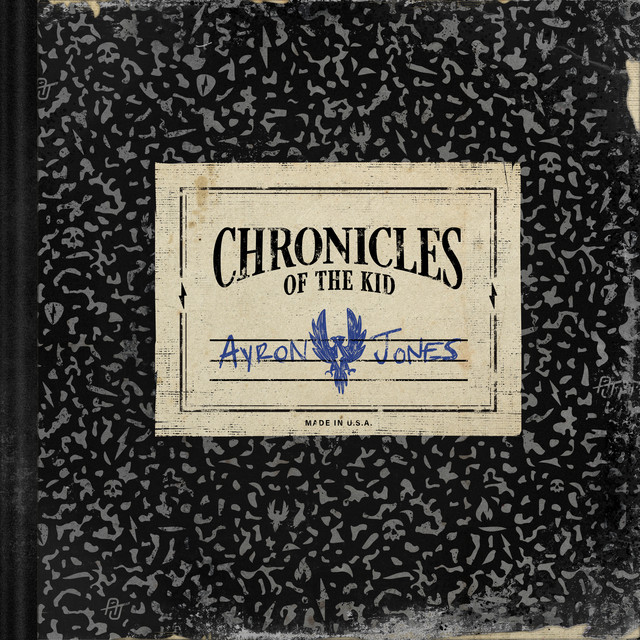
It belongs to Chronicles of the Kid, which Jones frames as the middle chapter of a story that started with Child of the State. That’s fitting, because this is a middle-chapter song. The wound is named, and the healing is only promised.
It sticks because it lets you grieve people you never got to love properly, and it admits that the grief can feel thin, dutiful, and enormous all at once.
[ Sources ]
[ Written with AI assistance · the taste is all mine ]
