- Album
- Glyph
- Released
- Invalid Date
- Added to Lately
- Sep 2023
- Runtime
- 3:17
- Sounds like
- alternative metal · hard rock · alternative rock · floater · alternative-metal · hard-rock · alternative-rock · 1995
The chorus of The Sad Ballad of Danny Boy is a quotation inside a quotation. The family steps in first, begging him to go home earlier, and then repeats back what he says when he finally does come home. So the man’s own words reach us through the people afraid of him: “With you the violence just comes so easily.” In his mouth, the violence belongs to them. They made him do it. “You never learn I have to teach you constantly” is the self-justification of someone who has turned beating into parenting, and the song lets that logic sit there, ugly and calm.
Robert Wynia wrote it, and the verses give Danny a breezy, almost likable voice. He introduces himself like a barroom regular, buys a pint or three, and when the pub closes he heads to the market, reasoning that the sun is always up somewhere. It’s the drinker’s oldest loophole, delivered with a grin. The pain is in the small swaps between choruses. First it’s a daughter who doesn’t know him, then a son. Two children, the same stranger for a father. Then the hushing, repeated until it stops sounding like a threat and starts sounding like a lullaby: “Sleep floating child.” Whether that’s the kids learning to go quiet or the song putting them to bed out of mercy, it never says.
Calling it a ballad is the first trick. Floater play it fast and hard. A distorted guitar works a riff over a bass guitar, and Pete Cornett’s drums drive it with a snare that sits up front. Wynia’s voice is raw and strained, with no harmonies to soften it. The production is unpolished, which suits a song that won’t dress Danny up. This is the Eugene, Oregon band that came out of metal and hard rock, with Primus somewhere in the bloodstream, and here that heaviness serves a domestic story, not a show of muscle.
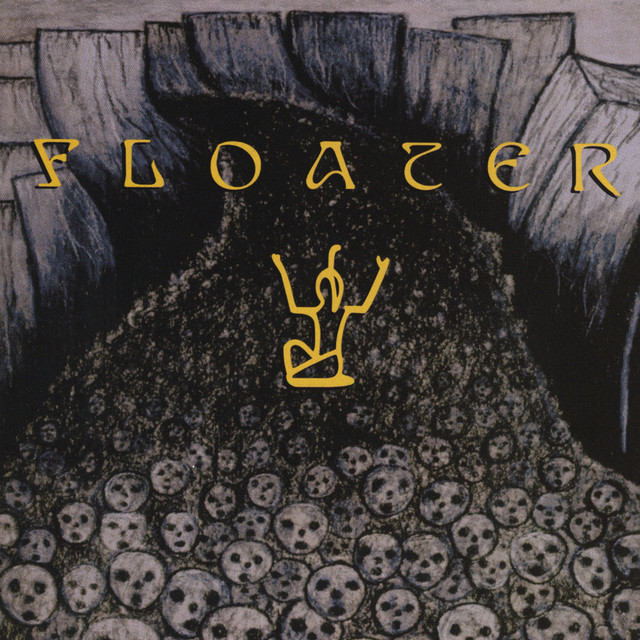
The song goes back to the Sink demo tape, before the band’s 1994 debut album, and turned up on 1995’s Glyph, an album recorded at Studio Apocalypse in Eugene and Musicraft in Wilsonville. It became a major local hit and got national radio play, which is a little startling given what it’s about. Maybe the chorus is just loud enough to shout along to before you notice what you’re shouting.
What sticks is that the loudest, catchiest part of the song is a family repeating their abuser’s excuses back to him, and you end up singing them too.
[ Sources ]
[ Written with AI assistance · the taste is all mine ]