- Album
- Tell Me It's Over
- Released
- January 7, 2026
- Added to Lately
- Jan 2026
- Recorded at
- Club Sound Machine, Lockhart
- Runtime
- 2:56
- Sounds like
- americana · dream pop · indie rock · solya · dream-pop · indie-rock · 2026
The cruelest line in Tell Me It’s Over is a request. “Tell me you never said I was the one,” Solya sings, over and over, asking for a lie that would make leaving easier. If the promise was never made, nothing was broken, and nobody has to grieve it. The chorus turns a plea for closure into a command, repeated until it sounds less like asking and more like testing whether the words can be made true by saying them enough.
Solya has said she wrote the song after a breakup, and that she wasn’t sad but angry, at the pain the other person caused and at herself for not leaving sooner. You can hear both angers in the lyric. The opening verse is defensive, bristling at being looked at like someone with “blood on my hands.” Then comes the cool shot of pride: “You could’ve had it all.” But the second verse lets the other feeling slip through. The narrator admits to searching for this person in every stranger they meet. Anger and longing sit right next to each other, and the song never pretends one cancels the other. The last new lines draw the boundary as plainly as possible: “And don’t call me ‘baby.’” It’s a demand for distance from someone who still has the power to make a pet name hurt.
The music holds all of that at a slow, steady pace. A clean electric guitar picks out arpeggiated chords with a slight tremolo shimmer. The bass sticks to simple root notes, and the drums keep a patient beat with a prominent snare on two and four. The vocal is clear and a little breathy, sitting in the middle of the range, the notes held rather than pushed. There are no harmonies to soften it, just one voice in a clean, roomy mix with enough reverb to leave space around every sound.
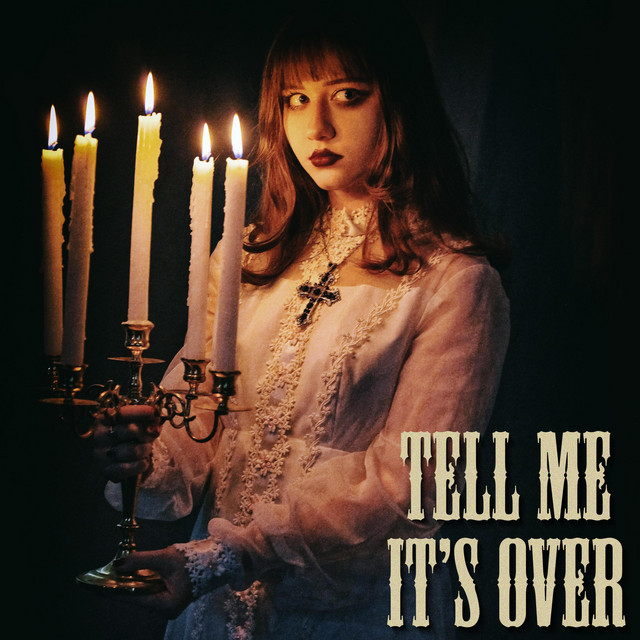
That restraint fits what Solya says she was after. She wanted the song to feel like the 1950s and ’60s, with a time signature that feels very ’50s, and to sound raw. The retro pop pull gets bent toward a Southern gothic shade in the production, which Danny Reisch handled. The album was cut on analog equipment over ten days in Lockhart, Texas. Solya wrote every track and played rhythm guitar, synthesizers and piano. Reisch, known for work with Khruangbin and Local Natives, added percussion, and Jason Chronis played bass and lead guitar. As the lead single from her debut, Queen of Texas, it lays out her approach clearly. It’s old pop forms carrying very current fury.
The song works because it asks the other person to lie and keeps asking, and you feel how badly someone can want a clean ending they know they won’t get.
[ Sources ]
[ Written with AI assistance · the taste is all mine ]